
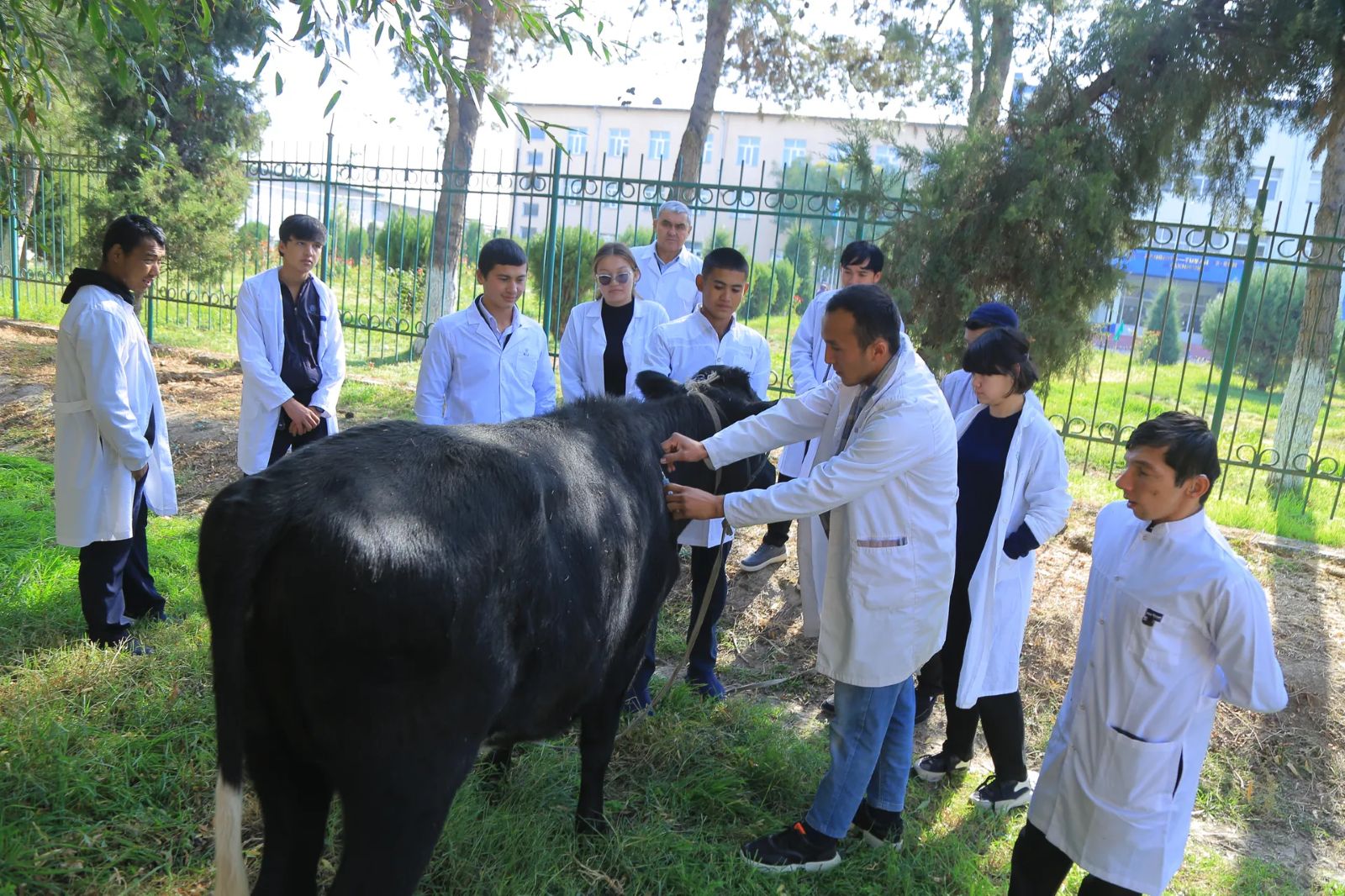
The work does not end with treatment: most of it is prevention.
The more livestock, poultry and pets there are, the greater the need for veterinary specialists. Keeping the vaccination schedule, monitoring feed and housing, applying quarantine measures when an infection appears — all of this is the vet's work. The safety of meat and dairy products also passes through veterinary control.
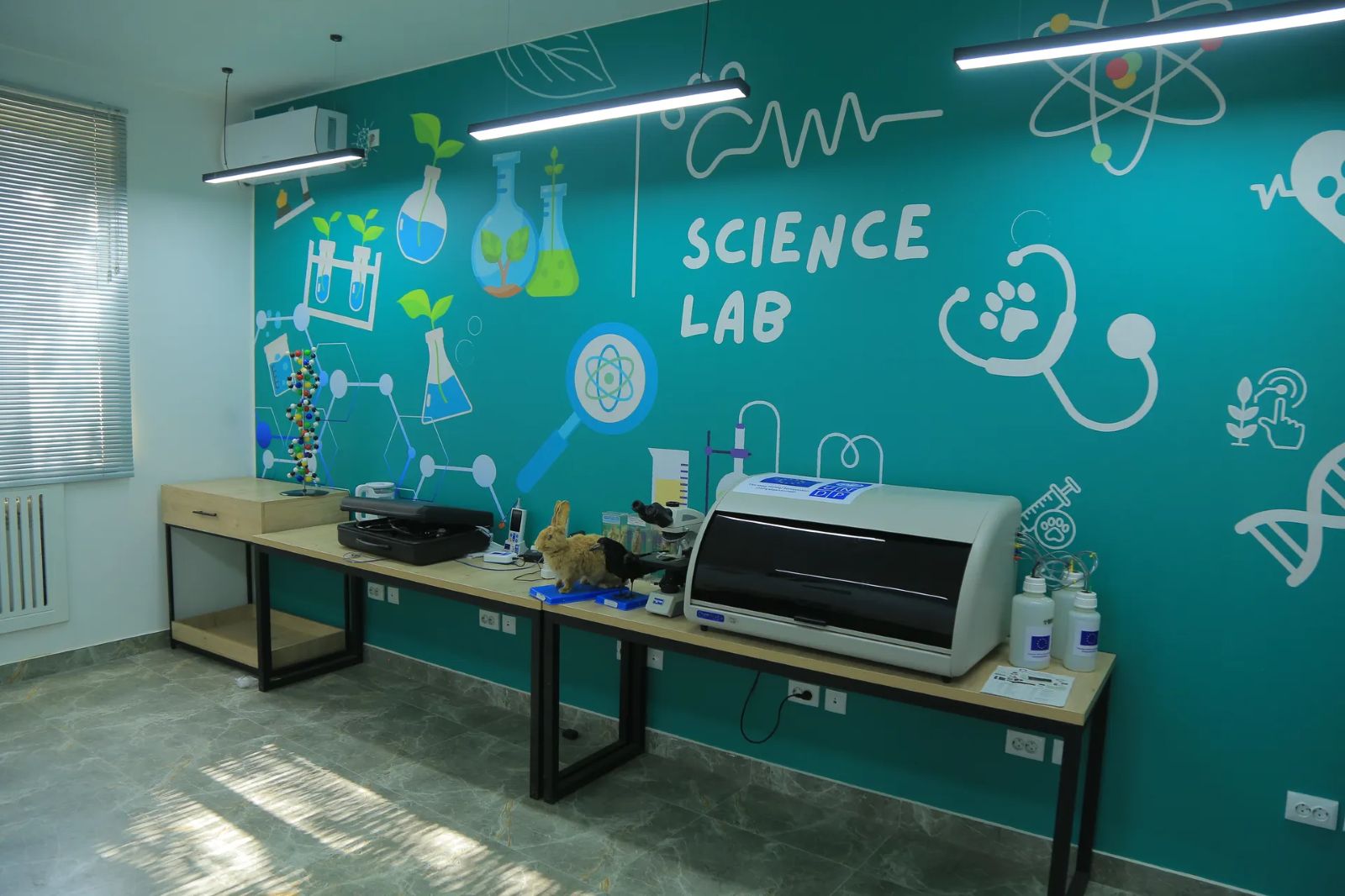
At the college you first study animal anatomy and physiology, then diseases and medicines. Practical classes take place in the laboratory and on the livestock farm.
- 01 Animal anatomy and physiology: organ systems and normal values.
- 02 Clinical examination: measuring temperature, breathing and heart rate, identifying signs of illness.
- 03 Keeping a vaccination and prevention schedule and administering vaccines correctly.
- 04 Choosing a medicine, calculating the dose and methods of administration.
- 05 Assisting at birth and caring for young livestock.
- 06 Applying quarantine and disinfection measures in case of an infectious disease.
- 07 Fundamentals of veterinary and sanitary inspection of meat and dairy products.
General and general-vocational subjects are taught on every programme: native language and literature, mathematics, computing, a foreign language, the history of Uzbekistan, the basics of law and the basics of economics.
Subject hours are set by the curriculum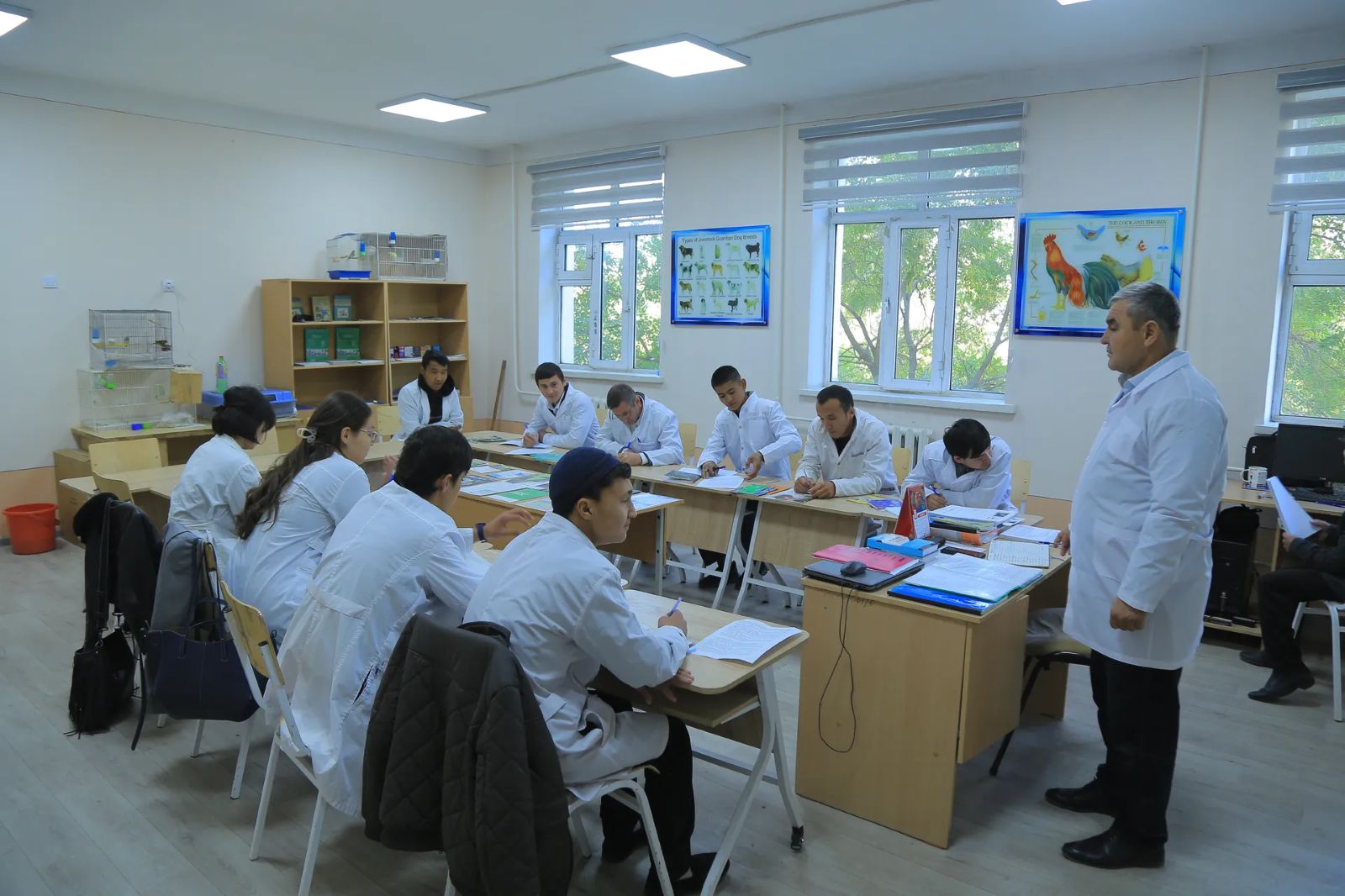
Position
- Veterinary assistant
- Veterinary surgeon's assistant
- Farm veterinary specialist
- Veterinary and sanitary inspection specialist
- Laboratory assistant
Organisation
- Livestock farms
- Veterinary clinics
- Poultry farms
- Dairy and meat processing plants
- Veterinary laboratories
Related bachelor's programmes:
For students ready to work with animals who enjoy biology. Patience and attention are needed: an animal will not tell you where it hurts — the specialist finds the signs. The work is sometimes early in the morning or at the weekend.
Other programmes in this field
All 18 programmes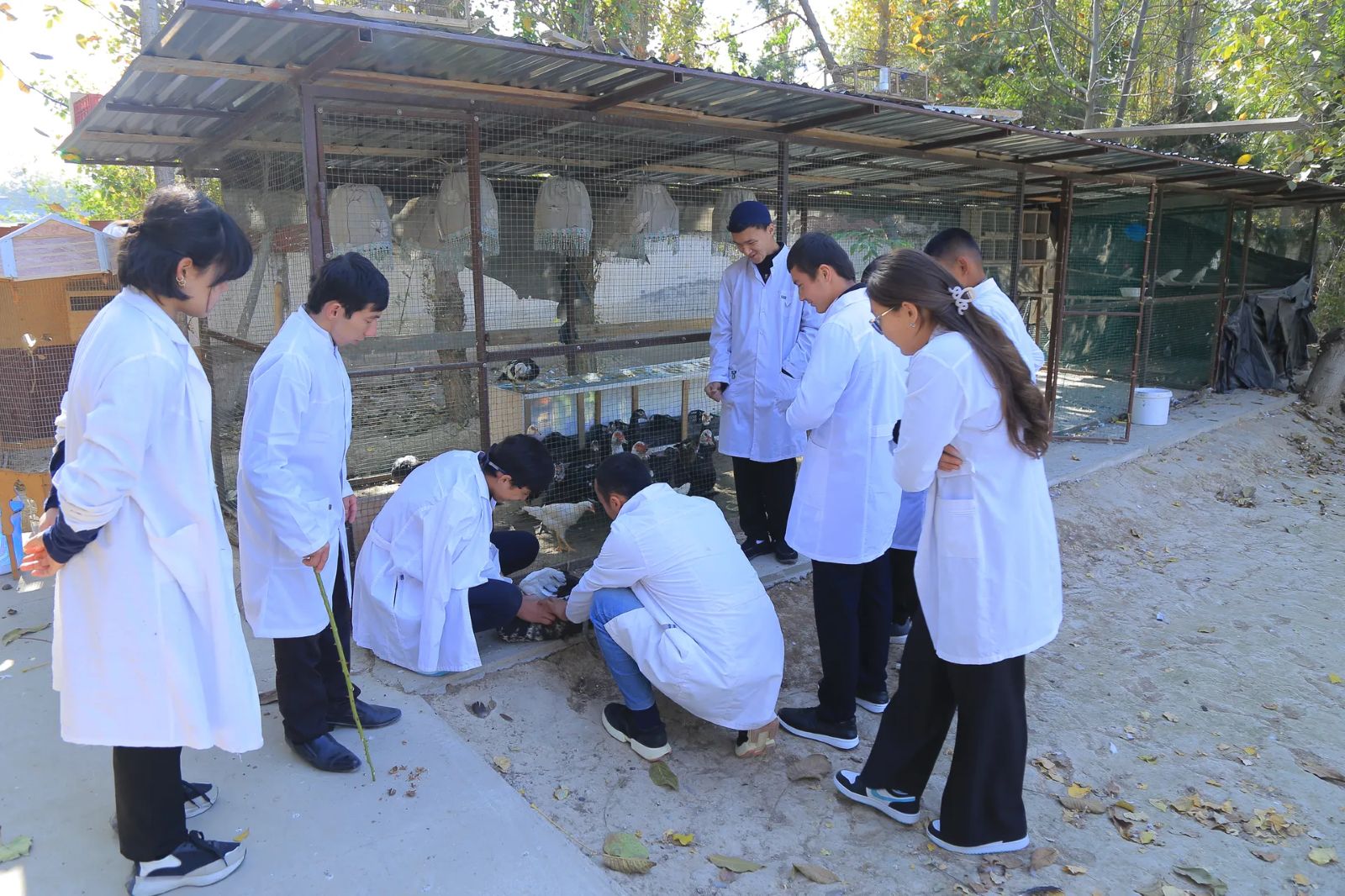
Questions and answers
In 2026/2027 veterinary medicine admits on the basis of Year 11 (with at least general secondary education): full-time study, 30 places, on a state grant basis.
The course lasts 2 years.
In the laboratory and on the livestock farm; the production practice takes place on a farm or at a veterinary clinic alongside a specialist at the workplace.
Yes. Related bachelor's programmes: veterinary medicine, veterinary sanitation, animal science, biotechnology.
Veterinary medicinega ariza
2026/2027 academic year: on the basis of Year 11, full-time, 30 places — on a state grant. The admissions committee will be in touch during working hours.