
The curriculum is split between two places
Theory and core practice
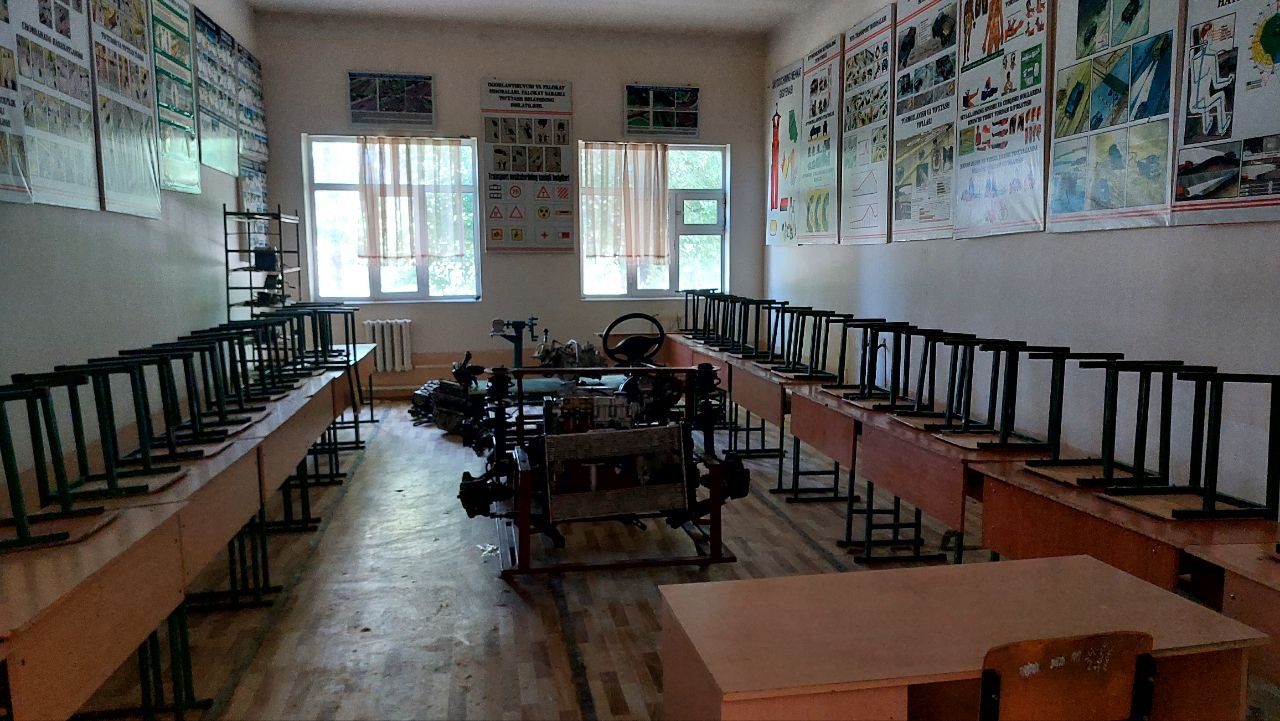
Classrooms, 4 workshops and 7 practical training rooms. This is where the foundation of the trade is laid.
Production practice
A master is assigned to the student: he shows the work and checks what has been done. By the end of the course the student leaves with real work experience.
Full-time and dual — the difference
| Criterion | Full-time | Dual |
|---|---|---|
| Place of study | The college — classroom, workshop, laboratory | The college and the partner company |
| Practice | In the training workshop, and at the company during the practice period | Throughout the course, continuously at the company |
| Work experience | Experience during practice | Real work experience before the diploma |
| Place of work | Sought after graduation | A chance to stay at the company where you did your practice — not a guarantee, but likely |
| Timetable | According to the timetable | The college and company timetables combine, and there is more responsibility |
The diploma is the same in both forms. Which suits you depends on your circumstances; the committee will explain both.
2026/2027 — in the dual form
- Car service30
- Fashion and garment production technology30
- Chef30
- Road transport service engineer30
- Plant protection and quarantine30
- Cynology30
- Communication networks and switching systems30
What dual education gives you
For company managers
Dual education runs under a contract with a company. The company benefits too: staff are trained at its own workplaces and on its own equipment.
Kasimov N. X. — Deputy Director for Practical Training
The workload is higher: the college timetable and the company timetable come together. But the material is absorbed faster in practice.
The diploma is the same. The difference is in how the study was organised.
The list of documents is the same. The form of study is stated in the application because places are allocated separately by form.
Apply for the dual form
Select "Dual" as the form of study in the form — the committee will explain the company and the timetable.